This year, Professor Susumu Kitagawa from Japan received the Nobel Prize in Chemistry, and Professor Shimon Sakaguchi received the Nobel Prize in Physiology or Medicine. My heartfelt congratulations to them both. What they have in common is that they are graduates of Kyoto University. For us Japanese, Kyoto University evokes the image of “freedom.” Or, to put it less flatteringly, “utter chaos.”
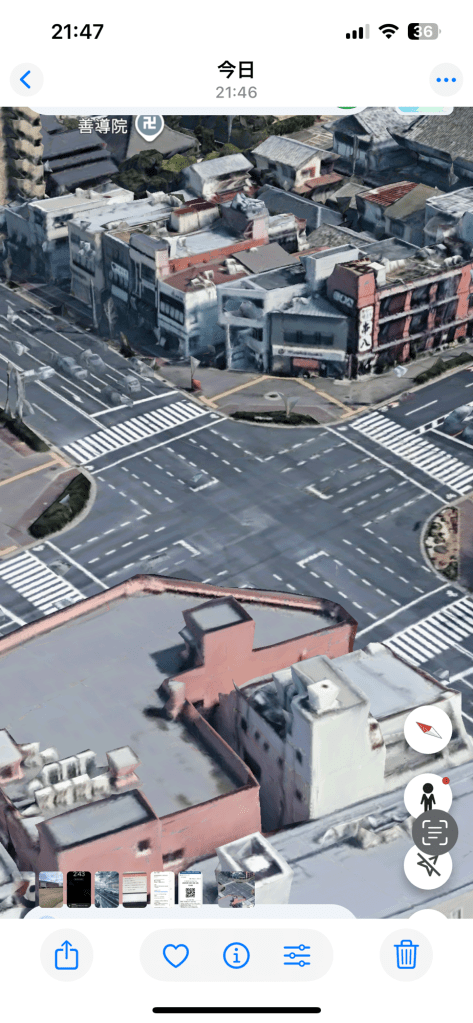
They put up banners on entrance exam day taunting test-takers about failing; during the German exam where “you can bring anything,” someone brought an actual German person; students once placed a kotatsu table in the middle of the Hyakumanben intersection (as seen on Google Earth) and had a hotpot there—though they were, of course, arrested for that. Even the solemn graduation ceremony has turned into a costume party. In short, the university is full of freedom and vitality.
I can relate to that. My alma mater, Takatsuki High School, a private school, was also a free-spirited place. In fact, it was nothing butfreedom. I once saw a friend eating cup noodles during class. The teacher scolded him, saying, “Make sure you eat the toppings before throwing away the soup.” Isn’t that a strange thing to focus on?
I think we were assigned homework, but I don’t remember doing much of it—or anyone checking it. Yet, many of my classmates were excellent students. Some practiced with the football or brass band clubs six or seven days a week, and many were admitted to top universities like Kyoto University. I was in the brass band myself, and I still remember fondly when we won our first gold prize in the club’s history and advanced to the Osaka Prefecture competition. Studying wasn’t forced upon us; I realized in my second year of high school that I had to take responsibility for my own learning, and I was able to enter the university I hoped for.
However, in recent years, Japanese private high schools have become much stricter about managing students’ studies. Due to the declining birthrate, schools have no choice but to improve their university admission results to attract students. When I visited my old school, my former teacher grumbled, “Nowadays, we have to make them study. It’s not like the old days.” The management has apparently become very strict. It’s true that the number of our graduates entering Tokyo University and Kyoto University seems to have increased this year. However, club activities have been limited to three times a week. The brass band’s competition results, once a source of pride, have become rather disappointing.
Both of the newly awarded Nobel laureates graduated from local public high schools in Kyoto. Since they attended public schools, they were probably not pressured to study excessively, unlike students today. Yet now, they are contributing to the world at the highest level.
There is no creativity without freedom. Frankly, most private high schools today are heading in the wrong direction. In this age of AI, what we need are curiosity and creativity—not students who simply complete managed assignments. This is, I believe, a very serious issue.
 TobiraAI_ A specialist in Education, AI, and History