🔎 300-word English Summary
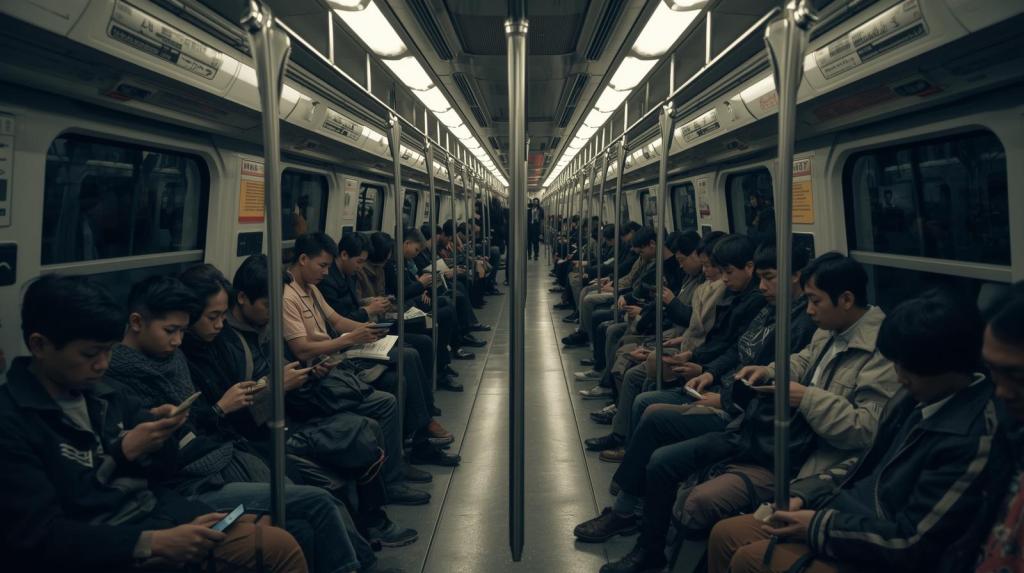
In today’s hyper-connected world, social media can quietly undermine the resilience of young professionals and teachers. Drawing from Yale professor Laurie Santos’s The Science of Well-Being for Teens, this article explains how SNS functions as “junk flow”—activities that offer instant pleasure but leave us feeling worse afterward, much like devouring a late-night fast-food feast only to be flooded with regret.
Several mechanisms make SNS particularly harmful: its addictive variable reward structure, the opportunity cost of time taken away from sleep, exercise, and real relationships, passive consumption that lowers well-being, distorted social comparison against curated highlight reels, and the constant fragmentation of attention caused by notifications.
To counter these forces, we need two types of hacks: environmental and cognitive. Environmentally, turning off non-essential notifications, using grayscale or focus modes, and physically distancing ourselves from our phones—especially during deep work and sleep—can significantly reduce impulse-driven checking. Cognitively, we can rewire how we relate to our phones through intentional frameworks.
The most powerful of these is the “WWW method”:
- What for? – Why am I picking up my phone right now?
- Why now? – What triggered this urge?
- What else? – Is there something more valuable I could do instead?
The narrative that follows tells the story of Tom, a young teacher who realized that his late-night scrolling was slowly eroding his energy, focus, and self-respect. By using WWW and simple environmental tweaks, he moved from being controlled by his phone to consciously choosing how to engage with it. The core lesson is not about quitting SNS, but about reclaiming agency and designing our digital environment to support, rather than sabotage, our resilience.
📘 Story (English)
I still remember the Tuesday night when everything finally clicked.
It was 11:47 p.m. in my tiny apartment just outside Boston. The glow of my phone was the only light in the room, painting the ceiling in cold blue. Empty fast-food wrappers sat on the coffee table, and my lesson plans for tomorrow were still untouched in my bag.
My name is Tom, and I’m a middle school teacher. For months, my evenings had followed the same quiet disaster:
“I’ll just check Instagram for five minutes.”
An hour later, I’d be deep in TikTok, comparing my messy, exhausted life to people who somehow had perfect abs, perfect homes, and perfect careers. Then came the familiar cocktail of guilt, self-loathing, and too little sleep.
That used to be my “ordinary life.”
One night, after another doomscrolling session, I caught my reflection in the black screen of my phone. I looked tired in a way that had nothing to do with age.
“This is ridiculous,” I whispered. “I’m letting this little rectangle run my life.”
A few weeks earlier, I’d taken Laurie Santos’s course online. She called this pattern junk flow—like eating a Big Mac set when you’re stressed: hits the spot in the moment, makes everything worse after. She also mentioned a simple tool: WWW.
That night, I decided to actually try it.
I picked up my phone again, but instead of unlocking it on autopilot, I asked:
What for?
“Okay, Tom, why are you reaching for this?”
If I was honest, it wasn’t “to relax.” It was to escape the anxiety of not having prepared tomorrow’s class.
Why now?
Because I felt overwhelmed, and the little red notification badges were promising instant distraction.
What else?
That question hit the hardest.
What else could I be doing with this same five minutes?
I could outline tomorrow’s first activity.
I could brush my teeth and actually go to bed.
I could text a friend and say, “Today was rough.”
For the first time in a long time, I put the phone back down.
The tension didn’t magically disappear, but something subtle shifted: I felt a tiny bit more in charge.
Over the next few days, I added simple environmental hacks: I turned off almost all notifications. I set my screen to grayscale at 10 p.m.—suddenly, my feed looked strangely boring. I started leaving my phone in the kitchen at night and bought a cheap alarm clock.
The urges didn’t vanish. Sometimes I still found myself halfway to the phone without thinking. But each time, I practiced WWW again:
- What for?
- Why now?
- What else?
Slowly, my evenings changed shape. I was still tired, still human, still sometimes craving junk food and junk flow. But I was also sleeping better, finishing my prep earlier, and—most surprisingly—comparing myself less to those perfect, filtered lives.
One Friday, after a long week, I caught myself on the couch, phone in hand, thumb hovering over Instagram. I paused, smiled, and said out loud:
“You know what? What else… is bed.”
I turned off the lights and walked away.
That night, I realized something important:
When I became honest about why I was reaching for my phone, I stopped letting it reach into my life and take the best parts of me.
That’s the one lesson I keep: I don’t need to quit social media.
I just need to decide, every time, whether it serves me—or whether I’m serving it.
📘 日本語訳(ストーリー部分)
あの火曜日の夜のことを、今でもはっきり覚えています。
ボストン郊外の小さなアパート。時刻は23時47分。
部屋を照らしているのは、スマホの冷たい光だけ。天井が青白く浮かび上がり、テーブルの上にはファストフードの空き箱。明日の授業プリントは、カバンの中で眠ったままです。
僕の名前はトム。中学校の教師です。
ここ数ヶ月、夜はいつも同じ「静かな崩壊」でした。
「インスタを5分だけ見よう」
そう思って開いたはずが、1時間後にはTikTokをスクロールしながら、完璧な体、完璧な部屋、完璧なキャリアを持つ人たちと、自分のぐちゃぐちゃな生活を比べている。
そしてやってくるのは、罪悪感と自己嫌悪と、短すぎる睡眠時間。
それが、僕の「普通の毎日」でした。
ある夜、またもやスクロールをやめたあと、真っ暗になったスマホの画面に、自分の顔が映りました。
そこにいたのは、年齢とは関係なく「消耗しきった」人間でした。
「さすがにこれはおかしい。」
小さくつぶやきました。
「こんな小さな四角い機械に、人生を乗っ取られてる。」
少し前に、Laurie Santos教授のオンライン講座を受講していました。
彼女はこのパターンをジャンクフローと呼んでいました。
ストレスが溜まったときにビッグマックセットを流し込むようなもの。瞬間的には気持ちいいけれど、その後は前よりも気分が悪くなる。
その講義の中で、彼女はWWWというシンプルな方法も紹介していました。
その夜、僕は初めて本気で試してみることにしたのです。
もう一度スマホを手に取りました。
でも、いつものように無意識でロックを解除する代わりに、自分に問いかけました。
What for?(何のため?)
「さて、トム。なんで今、これを触ろうとしてる?」
正直に言うと、それは「リラックス」のためではありませんでした。
明日の授業準備が進んでいない不安から逃げるためでした。
Why now?(なぜ今?)
さっき感じた圧倒感と、画面に並ぶ赤い通知バッジが、「今すぐ気をそらしてあげるよ」と誘惑していたから。
What else?(他にできることは?)
この質問が、一番効きました。
同じ5分で、他にできることは何だろう?
明日の1時間目の導入だけでも考えられる。
歯を磨いて、さっさと寝ることもできる。
「今日はきつかった」と友達に一言メッセージを送ることだってできる。
その瞬間、久しぶりにスマホをそっと置きました。
不安が魔法のように消えたわけではありません。
でも、何かがわずかに変わりました。
自分が、ほんの少しだけ主導権を取り戻した感覚。
その後、いくつかの「環境ハック」も加えました。
ほとんどの通知をオフにし、夜10時以降は画面が白黒になるよう設定。
SNSの世界が急に味気なく見え始めました。
寝るときはスマホをキッチンに置き、安い目覚まし時計を買いました。
衝動が完全になくなることはありません。
今でも、気づいたらスマホに手が伸びていることがあります。
でも、そのたびにWWWを思い出します。
- What for?
- Why now?
- What else?
そうしているうちに、夜の時間のかたちが少しずつ変わっていきました。
相変わらず疲れている日もあるし、人間ですからジャンクフードもジャンクフローも欲しくなります。
それでも、前より早く準備が終わり、よく眠れるようになり、何より——SNSの中の「完璧な人生」と自分を比べることが減っていきました。
ある金曜日、長い一週間の終わり。
ソファに座って、スマホを手に取り、親指がインスタのアイコンの上で止まりました。
僕は一呼吸おいて、笑ってこう言いました。
「What else… is bed.(他にできること?…寝る、だな。)」
部屋の電気を消して、スマホから離れました。
その夜、僕は大事なことに気づきました。
“なぜスマホに手を伸ばしているのか”に正直になった瞬間、スマホが僕の時間とエネルギーの一番いい部分を奪うことは、もうなくなり始めていた。
これが、僕が守りたいたったひとつの教訓です。
SNSを完全にやめる必要はない。
ただ毎回、自分に問いかければいいのです。
それは本当に自分の役に立つか——それとも、自分がSNSの都合のいい奴隷になっているだけなのかを。
 TobiraAI_ A specialist in Education, AI, and History