300-word Executive Summary (English)
Modern psychology has given us a rich toolkit for resilience: cognitive-behavioral therapy (CBT), emotional regulation, problem-solving, and social support. These methods help us “bounce back” from stress and even “bounce forward” by transforming adversity into growth. They are practical, evidence-based, and incredibly valuable for teachers and professionals under constant pressure.
However, Eastern traditions such as Confucianism and Daoism invite a different question: instead of only asking “How do I recover?” they ask “What kind of foundation am I living from in the first place?”
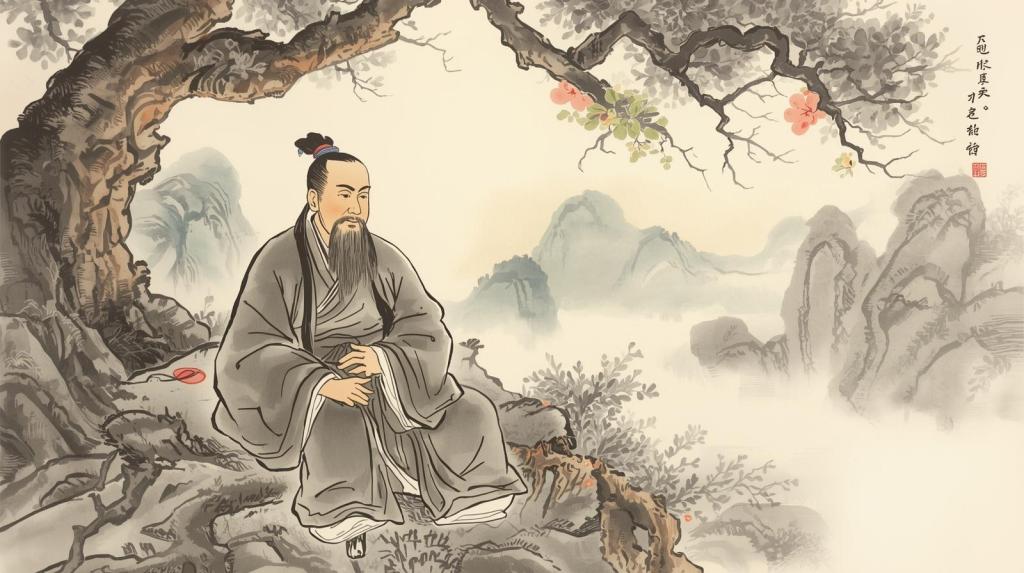
Confucianism emphasizes cultivating an inner moral axis. Through ideas like “浩然の気” (a vast, upright energy) and “慎独” (integrity when no one is watching), it suggests that resilience grows naturally when our daily choices align with deeply held values. The ideal figure, the “大丈夫,” is someone who is not easily shaken by wealth, poverty, praise, or blame, because they live from their own ethical core rather than from external validation.
Daoism, on the other hand, teaches soft strength. Using metaphors like water, it argues that flexibility, non-striving (無為), and non-competition (不争) often prove stronger than rigid resistance. By stepping off the battlefield of constant comparison, we conserve energy and protect our mental wellbeing in a hyper-competitive, always-online world.
The story that follows is a personal narrative of how I, as a school leader named George, moved from chasing metrics and external approval to building an “inner axis” shaped by values. Instead of relying only on techniques to cope with stress after it hits, I began to live in a way that made me less easily broken in the first place. The core shift was simple but profound: learning to live not from circumstances, but from my own values.
📘 Story (English)
It was a rainy Thursday evening in early November, in a public middle school just outside Chicago. The air in my office smelled like old coffee and dry marker ink. Test reports were spread across my desk like a battlefield: red bars, downward arrows, comparison charts that screamed one thing—not good enough.
My name is George, and at the time I was a new vice-principal, proud of my job and terrified of failing at it.
On paper, my ordinary life looked fine. I worked long hours, checked every data sheet, and attended every meeting. I read all the right books about resilience and leadership. “Reframe your thoughts,” “Focus on what you can control,” “Use setbacks as fuel for growth”—I could quote the lines like a script.
But that day, after a particularly harsh meeting about low scores in one grade, a parent walked past me in the hallway, eyes cold, and didn’t return my greeting. It was a small gesture, but it pierced deeper than I expected.
When I closed my office door, I sank into my chair and, to my own surprise, I cried. Not the dignified, silent kind of crying—real, messy sobbing. I wasn’t slacking off. The truth was, we were understaffed, overwhelmed, and my teachers were doing their best. Still, all I could hear in my head was:
“You’re failing. You’re not enough.”
That evening, the usual resilience advice felt thin. I didn’t want another motivational quote. I wanted something that would keep me from snapping in the first place.
A few weeks earlier, I had stumbled onto some readings on Confucianism and Daoism. Out of desperation more than curiosity, I opened one of the books again. A line from Mencius caught my eye: “浩然の氣”—a great, upright energy that fills the space between heaven and earth, nourished by living in accordance with what is right.
I paused and asked myself a question I had somehow avoided for years:
“If all the scores stayed low for a while and nobody praised me… what kind of person would I still want to be?”
The answer surprised me in its simplicity:
I want to be someone who makes decisions based on my own values, not on fear of other people’s opinions.
That night, I listed those values on a yellow sticky note:
“Honesty. Fairness. Care for teachers. Care for students.”
I stuck it to my monitor.
Over the next months, I started practicing something like 慎独—integrity when nobody is watching. I asked myself, in small, private moments: “If a camera were not rolling, what choice would still feel right?” Sometimes it meant staying late to help a struggling teacher plan a lesson. Sometimes it meant saying, “No,” to a new initiative that looked good on paper but would crush my already tired staff.
At the same time, I found comfort in Daoist ideas. I realized I had been meeting every challenge with hard resistance—tight jaw, clenched fists, constant comparison with other schools. The metaphor of water stayed with me: soft, flowing, yet slowly shaping rock.
So I experimented with a kind of personal wu wei: doing less of what was unnecessary. I stopped joining every argument. I declined the invisible competition of “who is the most impressive administrator.” I let some things be imperfect on purpose.
At first, it felt like giving up. But something unusual happened: my inner tension began to loosen. I was no longer fighting every wave; I was learning to float on some of them.
The test reports didn’t magically turn green. The parent who once ignored me didn’t suddenly become warm. But my experience of those moments changed. When criticism came, I could ask, “Is there truth here that fits my values?” If yes, I adjusted. If not, I let it pass, like water flowing around a stone.
Looking back, I realized the shift in one sentence:
When I stopped letting external outcomes define me and started living from my own values, I didn’t become invincible—but I became much harder to break.
📘 日本語訳(ストーリー部分)
それは、11月初旬の雨の木曜日の夕方でした。
シカゴ郊外の公立中学校。
私のオフィスには、冷めたコーヒーとホワイトボードマーカーの匂いが残り、机の上にはテスト結果のレポートが戦場のように広がっていました。赤い棒グラフ、下向きの矢印、比較チャート――どれもが一つのメッセージを突きつけていました。
「足りていない。」
私の名前はジョージ。当時、着任したばかりの副校長でした。
仕事に誇りを持ちながら、失敗することを心の底から恐れていました。
表面上の「ふつうの生活」は、そこそこ順調に見えました。
長時間働き、データシートはすべてチェックし、会議にはもれなく出席。
レジリエンスやリーダーシップに関する本も読み漁り、
「認知を変えよう」「コントロールできるものに集中しよう」
「逆境を成長のチャンスにしよう」
といったセリフは、もはや暗唱できるほどでした。
けれどその日、特定の学年の成績不振について厳しく責められた会議のあと、廊下である保護者とすれ違いました。
私が会釈をしても、その方は氷のような視線を向けたまま、あいさつを返してくれませんでした。
たったそれだけの出来事なのに、思いのほか深く胸に突き刺さりました。
オフィスのドアを閉めた瞬間、私は椅子に崩れ落ちました。
そして、自分でも驚くほど泣いたのです。
静かに涙がこぼれるようなものではなく、ぐしゃぐしゃに泣く、あの感じです。
手を抜いていたわけではありません。本当のところ、現場は人手不足で、教師たちは限界まで頑張っていました。
それなのに頭の中で響くのは、ただ一つ。
「お前は失敗している。お前はダメだ。」
その夜、よくある「レジリエンスの名言」は、どれも薄っぺらく感じられました。
欲しかったのは、ショックから“立ち直る技術”ではなく、そもそも簡単には折れない心の土台でした。
数週間前、私は偶然、儒家や道家について書かれた本を手にしていました。
半ば「藁にもすがる思い」で、その本を再び開きました。
目に飛び込んできたのは、孟子の言葉――**「浩然の気」**でした。
天地のあいだに満ちるほどの大きく、強い気。
正しさに基づく行いを積み重ねていくことで養われる精神の力。
そのとき、私は自分に対して、これまで避けてきた問いを立てました。
「もしテストの数字がしばらく改善しなくても、誰からも褒められなくても――
それでも“こうありたい”と思える人間像は、どんなものだろう?」
出てきた答えは、驚くほどシンプルでした。
「他人の評価ではなく、自分の価値観にもとづいて決める人でありたい。」
その夜、私は黄色い付箋に、自分の大事にしたい価値を書き出しました。
「正直さ、公平さ、先生たちへの配慮、生徒たちへの配慮。」
その付箋を、モニターの端に貼り付けました。
それからの数ヶ月、私は自分なりの**「慎独」**を実践し始めました。
誰も見ていないときにこそ、自分はどう振る舞うか。
「カメラが回っていなくても、胸を張れる選択はどれか?」
そう自問する時間を増やしていったのです。
それは、ときに残業をして、苦しんでいる若手教師の授業づくりを一緒に考えることだったり。
見栄えは良くても、現場をさらに疲弊させるだけの新プロジェクトに対して、「ノー」と言うことだったりしました。
同時に、私は道家の考えにも救いを見いだしました。
それまでの私は、すべての困難に「正面から全力でぶつかる」ことで対処しようとしていました。
歯を食いしばり、拳を握りしめ、他校との比較に追われる毎日。
しかし「水」の比喩を知ってから、少しずつ発想が変わりました。
柔らかく、かたちを変えながら流れ、しかし長い時間をかけて岩すら削るものとしての水。
私は自分なりの**「小さな無為」**を試してみることにしました。
必要のない議論には参加しない。
「一番すごい管理職」を競う、見えないレースから降りる。
一部の物事は、あえて完璧を目指さずに「ほどほど」で止めておく。
最初は、それはあたかも「負けを認める」ように感じました。
けれど、不思議なことに、心の中の張り詰めた糸が少しずつ緩んでいったのです。
すべての波と戦うのではなく、いくつかの波には身を任せて浮かぶ。
そんな感覚に近いものでした。
テストのレポートが、いきなり理想的な数値に変わることはありませんでした。
あのとき挨拶を返してくれなかった保護者が、急に優しくなったわけでもありません。
けれど、私はそれらを受け取る「自分の中身」が変わっていきました。
批判の言葉を聞いても、
「ここには、自分の価値観に照らして耳を傾けるべき部分があるか?」
と問いかける余裕が生まれました。
あるなら修正し、ないなら、水が石をよけるように受け流す。
振り返ってみると、その変化は一つの文章に集約されます。
「外側の結果で自分を決めるのをやめ、自分の価値観から生き始めたとき、私は“無敵”にはなれなかったけれど、簡単には折れない人間にはなれた。」
🔚 Takeaway(まとめ)
私は、西洋のレジリエンスの技術も、東洋の「内なる軸」や「柔らかな強さ」の知恵も、どちらも大切だと感じています。
ただ一つだけ選ぶなら、こう言います。
「外的な状況ではなく、自分の価値観にもとづいて生きようと決めたとき、レジリエンスは“鍛えるもの”から、“自然と育つもの”に変わる。」
 TobiraAI_ A specialist in Education, AI, and History