Summary
This article examines why the Japanese Imperial family, despite having limited political or economic power at various times in history, was never overthrown. Beginning with the assassination of Emperor Sushun in 592 by Soga no Umako, Japan transitioned into a state structure centered on Buddhism, most notably under Prince Shōtoku, who declared the Three Treasures—Buddha, Dharma, Sangha—as the foundation of governance.
Throughout history, powerful figures such as Fujiwara no Michinaga, Taira no Kiyomori, Ashikaga Yoshimitsu, Oda Nobunaga, Toyotomi Hideyoshi, and Tokugawa Ieyasu possessed the capability to replace the Imperial line but never attempted to do so. Even when emperors lacked the funds to perform enthronement ceremonies, the Imperial House remained untouched.
The reason lies in the unique nature of Shinto. Shinto emerged from reverence for natural phenomena, and in Japanese culture, the Emperor belonged to this natural order rather than the realm of political conquest. Shinto exists as an unconscious cultural baseline that persisted even when Buddhism, and later Christianity, were introduced.
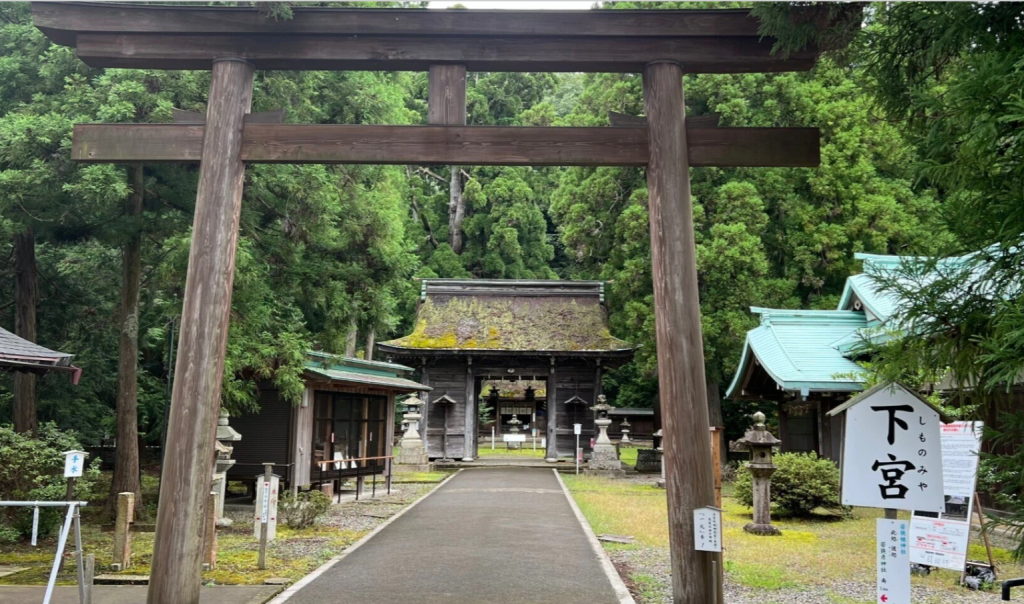
Shrines, characterized by emptiness and silence, contrast with Buddhist temples filled with objects and sound. This quiet spatial quality reflects an unspoken aspect of Japanese identity: a natural, ambient religiosity. The Japanese bow before entering a sports field not because a deity resides there, but because of this deeply rooted sensibility.
The article concludes that Japanese people have long been “unconscious Shinto believers,” and this unspoken worldview shapes cultural behavior in ways that differ from other nations.
Assassination of Emperor Sushun
In 592, Emperor Sushun was assassinated by Soga no Umako. This is the only recorded assassination of an emperor in Japanese history. Afterward, Empress Suiko ascended the throne, and Prince Shōtoku became regent. The first three articles of the Seventeen-Article Constitution were:
- Harmony should be valued.
- Respect the Three Treasures.
- Obey imperial commands respectfully.
The “Three Treasures” refer to Buddha, Dharma, and Sangha, clearly indicating a shift toward a Buddhist-centered state. The construction of Hōryū-ji and Chūgū-ji was part of this development.
From this point, Japanese government and culture increasingly adopted Buddhist foundations. Although political systems were influenced by Chinese models, Buddhism became the core of state ideology, as seen under Emperor Shōmu and the establishment of Tōdai-ji. Later developments such as Saichō, Kūkai, and the Kamakura schools further cemented Buddhism’s dominance.
Why was the Imperial family never destroyed?
It is puzzling that Soga no Umako, after assassinating the emperor, did not eliminate the Imperial line altogether. In China’s Southern and Northern Dynasties, it was common for powerful ministers to assassinate emperors, install child rulers, and eventually seize the throne themselves. Former royal families were often eradicated. Japan never followed this pattern.
Many Japanese leaders possessed the power to overthrow the Imperial House, yet none attempted it.
The Imperial family lacked funds even for enthronement ceremonies
Figures like Fujiwara no Michinaga, Taira no Kiyomori, and Ashikaga Yoshimitsu could have sought imperial power. Even after the Ōnin War, the Imperial family was impoverished. When Emperor Go-Kashiwabara ascended the throne in 1500, ceremonies were delayed for 21 years due to lack of funds. The next emperor also waited 10 years. Yet no warrior clan sought to abolish the Imperial line.
School textbooks barely address Shinto beyond the fall of the Mononobe clan, the divine wind of the Mongol invasions, and State Shinto before WWII.
In Japan, anyone can become a kami
Shinto deifies natural phenomena and sometimes people. Historical figures like Kusunoki Masashige became deities, and even athletes are jokingly called “kami” today. People create “passing-shrine” charms, but rarely “passing-temples.” Despite Buddhism’s dominance in the Edo period, pilgrimages to Ise Shrine remained popular.
Imperial succession always brought conflict
The Imperial family has no surname and has remained male-line throughout history. Conflicts such as the Jinshin War, the Hōgen and Heiji Rebellions, and the Northern and Southern Courts all originated from disputes about succession. Even without close heirs, distant male relatives were installed as emperors. This practice was never questioned. The present imperial succession should also be left untouched to avoid national division.
Japanese people have been “unconscious Shinto believers” since the Asuka period
From Prince Shōtoku to today, few have consciously thought about Shinto or the Imperial system. It functions like air—always present, yet rarely examined. The term “symbol,” introduced after World War II, accurately reflects this nature.
Shinto cannot be destroyed, just as nature cannot be destroyed.
The silent shrine
Because Shinto is unconscious, Buddhism and Christianity can be layered on top of it. Shrines contain almost nothing—silent spaces embodied in nature. Temples, by contrast, contain many objects and sounds. This difference reflects Japan’s unique spiritual structure.
This “silent shrine sensibility” shapes Japanese behavior and explains cultural friction with other nations. Bowing before entering a baseball field, or sensing a “kami” in everyday spaces, reflects this deeply embedded cultural trait.
こんにちは。トビラAIです。私の本職は日本史の講師である。前回の続きを進めたい。
日本人とはなにか、を数回に分けて考えております。
前回は崇仏論争で仏教推進派である蘇我氏が、神道派であった物部氏を滅ぼし、天照大神の子孫とされる厩戸皇子すら、仏教派についた、というところまでお話しした。
目次
- 崇峻天皇暗殺
- なぜ誰も天皇家を滅ぼさなかったのか。
- 天皇家は即位の礼をするお金もなかった
- 日本の神様は誰でもなれる
- 天皇家の後継者争いは必ず戦乱を生んでいる
- 日本人は飛鳥時代からずっと「無意識な神道信者」
- 静寂の神社
崇峻天皇暗殺
その後西暦592年、事件が起こる。
崇峻天皇が蘇我馬子によって暗殺されるのである。
これは日本の史書に唯一記載されている天皇暗殺の事件である。その後推古天皇が即位し、厩戸皇子が摂政となって政治を行うだが、十七条の憲法の最初の三ヶ条は
第1条「和を以て貴しと為す」
第2条「篤く三宝を敬え」
第3条「詔を承けては必ず謹め」
である。この三宝は仏・法・僧を指し、仏教中心の国家形成を明確に宣言している。法隆寺・中宮寺などの建立もその一環だ。
で、ここから日本史は仏教を信仰の土台とした国家運営に変わる。もちろん遣隋使・遣唐使の派遣により中国文化が大量に入ってきて、政治制度などは中国風になるが、信仰という点では聖武天皇の鎮護国家思想や東大寺に大召されるように仏教に重きが置かれる。その後も最澄・空海・鎌倉仏教と、日本史の長い時代の大部分は仏教が占めている。
なぜ誰も天皇家を滅ぼさなかったのか。
ここで不思議なのは、なぜ蘇我馬子は崇峻天皇を暗殺したときに、天皇家を滅ぼさなかったのか、だ。当時の中国ではそれが普通であろう。この頃の中国は南北朝時代であるが、権臣が皇帝を暗殺し、幼帝を擁立して、そこから帝位を譲り受ける。で、前王朝の一族は断絶(しかも壮絶)。その繰り返し。中国南北朝時代はマジで無茶苦茶です。
でも日本は何故かそうならなかった。
今から思えば天皇家を滅ぼそうと思えば、実際に滅ぼせる力をもつ人物はたくさんいた
天皇家は即位の礼をするお金もなかった
藤原道長しかり、平清盛しかり、足利義満は実際に皇位を狙っていた形跡があるが急死した。応仁の乱以降の天皇家の衰弱ぶりは目にあまる。後柏原天皇は明応9年(1500年)に践祚(天子の位を受け継ぐこと)したが、財政難のため、即位の礼は大永元年(1521年)までできなかった。その次の天皇も10年即位の礼ができなかった。そんな天皇家を崇めてどうしようというのか。でも細川京兆家も三好家も信長も秀吉も家康も皇位を狙っていない。
ちなみに日本史の教科書で神道に関しての記述も少ない。はっきり調べてないのでわからないが、高校ではちょっと触れる。しかし中学レベルで考えると物部氏の滅亡の次は元寇での暴風雨を「神風」と読んだ、その後は昭和時代に天皇を現人神とした軍国主義、くらいではあるまいか。
最初自然や自然現象を神としていた神道、その神道の一部であった天皇家を神仏分離令という滑稽ない名前で神聖化し、いつの間にか昭和天皇が現人神とかいう訳のわからない座にすわり、猛毒になって諸外国に迷惑をかけた。
日本の神様は誰でもなれる
そんな経験があるにもかかわらず、戦後になっても初詣は人々は何故か神社に行く(寺にいかない)。困ったときの神頼みであって、困ったときの仏頼み、とは言わない。神風といって仏風とは言わない。神と仏の違いを論じるのは物憂いのでやめるが、神様の特徴の1つは、誰でも簡単になれるのである。楠木正成も神様になっているし、ヤクルトの村上選手も村神様と呼ばれた。
塾で合格神社というのを作って、皆で絵馬を作って壁に貼ったことがあるが、誰も合格寺院を作ろう、なんて考えない。
また神様は身近なものだった。江戸時代は仏教の全盛期(すべての人々が天皇を含め寺の檀家になった)なのに、神宮詣が流行った。神宮とは伊勢神宮のことですよ、念の為。単に神宮と行った場合は伊勢神宮を指す。
天皇家の後継者争いは必ず戦乱を生んでいる
あと天皇家の不思議さは姓がないことである。その理由はよくわからない。また男系で維持されてきたことである。少なくとも継体天皇(位507?〜位531)からこんにちに至るまで、女性天皇が立つことはあったが、なぜかずっと男系で維持されてきた。
そもそも天皇家の後継者争いというのは必ず戦乱をもたらしている。壬申の乱しかり、保元・平治の乱しかり、南北朝の騒乱も後醍醐天皇のワガママから始まっているように見えるが、もとをただせば、後嵯峨天皇が皇太子を後深草天皇とする一方で寵愛する弟の亀山天皇を即位させたところから始まっている。また男系の後継者がいなければ、遠縁から後継者の男性を擁立し即位させてきた(光仁天皇・光格天皇など)。そこに歴史上誰も疑いを持っていない。だから今の天皇家に関しても、悠仁親王に何かあったときに考えればいいことであって、基本は何もしないほうがいい。でないと国が割れる。
日本人は飛鳥時代からずっと「無意識な神道信者」
ひどい言い方をすれば、厩戸皇子から現代に至るまで、誰も神道や天皇家に対して関心を持っていないのである。逆の言い方をすれば、あって当たり前のもの、いわば空気のようなものであり、下手に関わるべきものではない。そういう意味では、アメリカが持ってきた「象徴」という無向性の単語がピタリとハマる。変に「神聖」(明治憲法)「至尊」(戦後作成した松本烝治の案)のような方向性を持った言葉ではなく、「象徴」がぴったり来る。あって当たり前のものなのである。
おそらく歴史的に日本人は飛鳥時代からずっと「無意識な神道信者」であって、無意識なので疑いも持っていない。だから滅ぼすという発想もない。そもそも神道は自然から始まったからである。自然を滅ぼすことができぬように、神道を滅ぼすことはできない。
静寂の神社
また無意識なのでその上に仏教を載せれるし、キリスト教を信じることもできる。そこで神社である。優劣を論じているわけではないのだが、神社と寺院に行ってみると気付くことがある。それは神社のほうが圧倒的に何もない。物が少なく、静寂が保たれている。寺院はそうはいかない。いろんなものがあるし、いろんな音も出る。寺院は大陸由来のものだが、神社はそこにあるただの何も空間に神聖さを感じることもある(沖縄が好例)。


日本人が他の民族の行為に違和感を感じるのは、この静寂の神社が代表する「無意識の神道」が日本人の根底にあるのであって、おそらく、そこが日本人と外国人の違いなのであると思う。
最近は、野球の試合などで、グランドに一礼してから入る選手が増えた。グランドに神様などいない。アメリカ人などはグランドに唾を吐く。あの行為は日本人にはできない。また昔の曲にあったようなトイレにも神様はいない。しかし何かしらの神を感じるのが日本人の特性であり、そこが他国の人間には理解できないところで、そのことに対して日本人がフラストレーションを溜めているのだと思う。
次回は最澄から日本人とは何かを考えます。
ありがとうございました。
本記事を気に入ってくださったらスキをいただけると嬉しいです。またコメントで皆さんとの意見交換も楽しみに待っております。よろしくお願い申し上げます。
 TobiraAI_ A specialist in Education, AI, and History