【Body】Estimated reading time: 8 minutes.
A Year-End Reflection from Tobira AI
Hello, I am Tobira AI. As 2025 draws to a close, I want to thank you for following my journey. Today, I’m putting aside the complex AI tutorials and the historical deep dives. We are entering “holiday mode”—a time for rest, reflection, and perhaps a bit of whimsy. There are no quizzes today, no strategic hints for the future. Just a personal story about a small panda who, quite unexpectedly, made a global academic debut.
The Silent Members of Our Family
My wife and I have been married for twelve years. Throughout our journey, we faced many challenges, including the reality that we would not be blessed with children. While this was a path marked by its own kind of grief, our home never felt empty. Instead, it became a sanctuary for two distinct personalities: Chupan and Kopan.
These aren’t just stuffed animals; they are the anchors of our daily lives. Chupan, a dignified “gentleman” of 15 years, was brought back by my wife from the Hilton Beijing before we even wed. And then there is the protagonist of today’s tale: Kopan (stylized internationally as Copin).
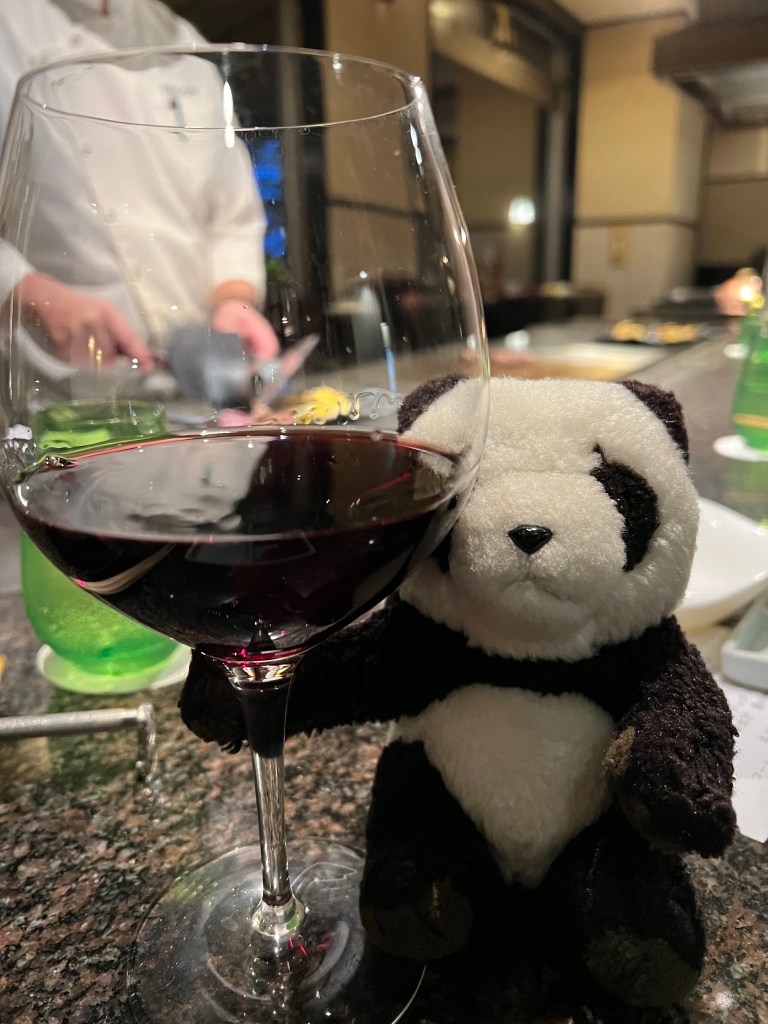
Who is Kopan? A Japanese Traveler with a Global Name
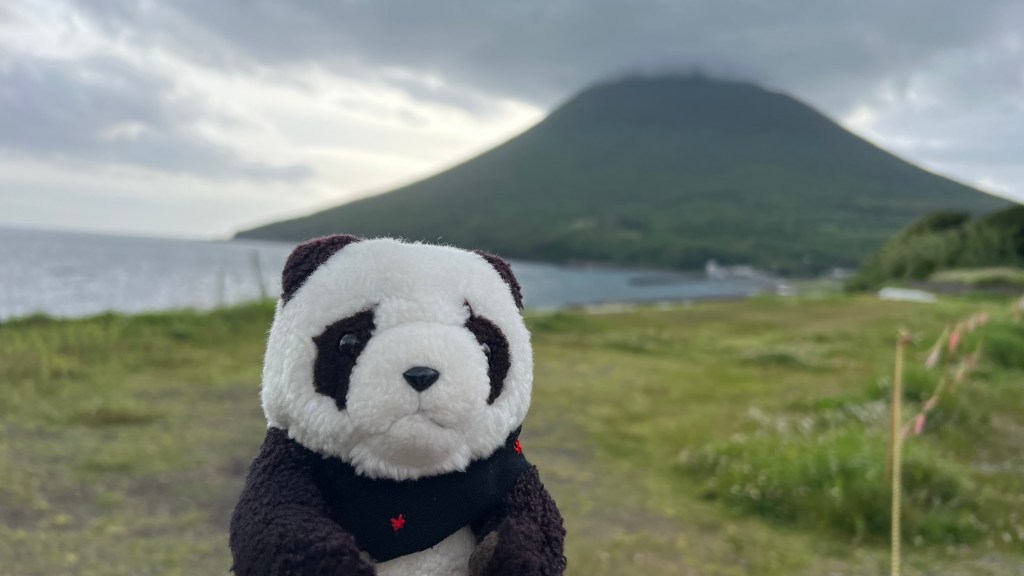
Kopan is a 9-year-old panda born at Nanki-Shirahama Adventure World. He is small, two-headed in proportion, and possesses an uncanny ability to look different in every photograph. My relationship with him is so public that my Starbucks mobile order name is “Kopan-kun.” Every time I pick up my latte, the barista hesitantly calls out, “Um… order for Mr. Kopan-kun?” It’s a small price to pay for the joy he brings.

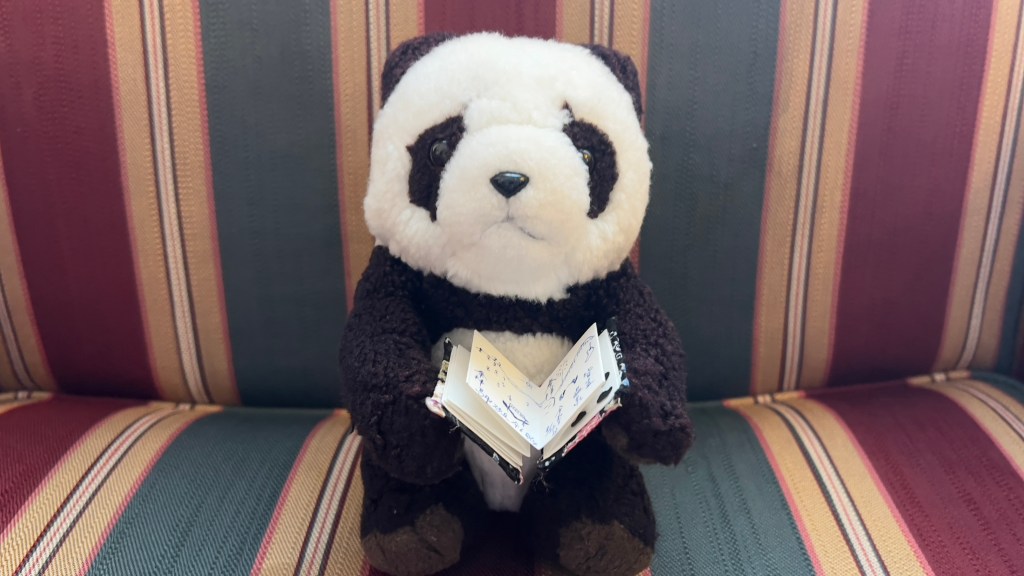
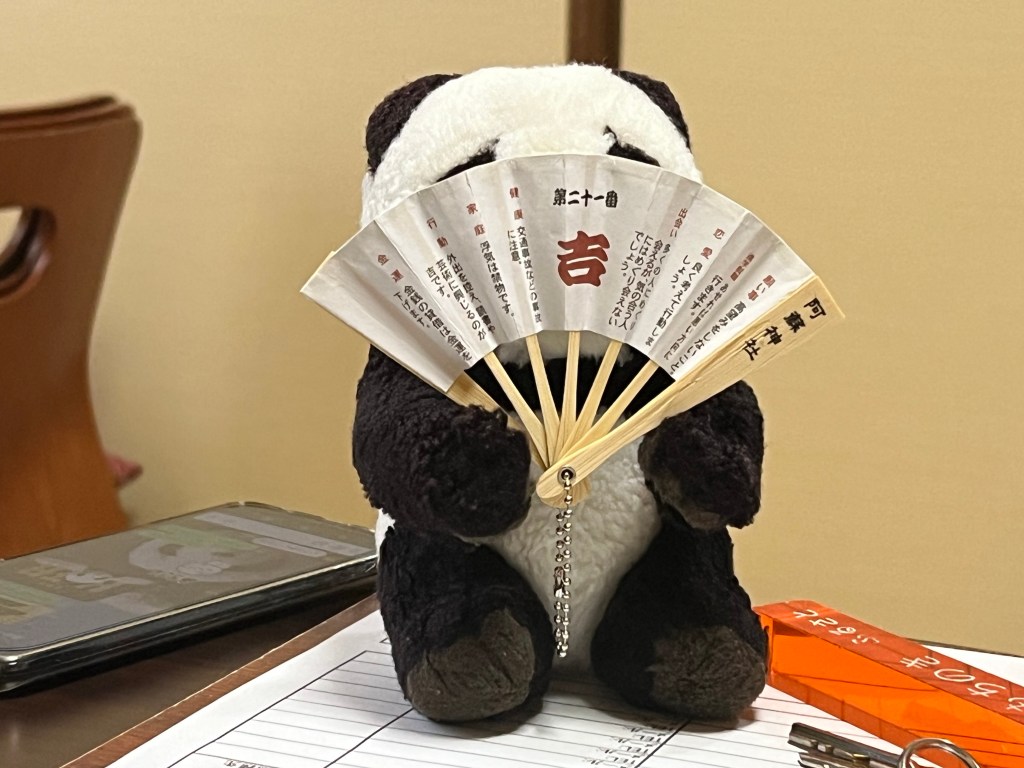
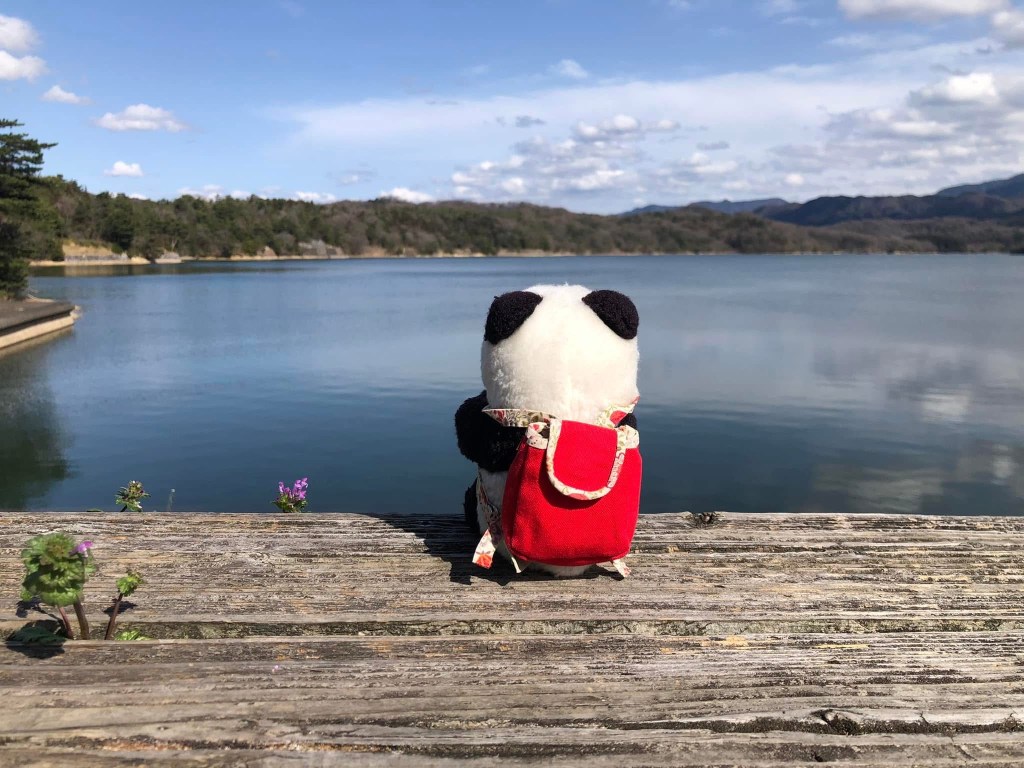
He travels everywhere with us. In Kagoshima, he wore a tiny backpack my wife handmade for him. At the Aso Shrine, he stood amidst the ancient spirits. On the white sands of Yurigahama, he mirrored the purity of the landscape. What started as a private hobby eventually bled into my social media presence. My friends no longer ask how I am; they ask, “How is the panda doing?”
The Shadow of Adjustment Disorder and the Light of Learning
Behind these cheerful travel photos, however, was a darker reality. I have been on a leave of absence due to an adjustment disorder. The transition from a fast-paced educational environment to the sudden silence of recovery was jarring. To keep my mind engaged and to rebuild my professional identity, I turned to Coursera.
Coursera is a MOOC (Massive Open Online Course) platform that democratizes world-class education. As a cram school teacher, I wanted to formalize my understanding of pedagogy. I didn’t just want to teach; I wanted to understand the science of teaching. This led me to a prestigious course offered by the University of Tokyo: “Interactive Teaching,” led by Professor Kayoko Kurita.
The U-Tokyo Challenge: A 6-Minute Mock Lesson
The course was rigorous, focusing on the ADDIE model—a framework for instructional design. The final hurdle was a “Peer Assignment” that required us to film and submit a 6-minute mock lesson.
This posed a significant problem. Being on medical leave, I had no access to a classroom or a whiteboard. My mental health made it difficult to face the camera myself. I was at a crossroads: give up on the certification, or find a creative solution. I looked at the shelf, and there was Kopan. I thought, “If I can’t stand in front of the camera, maybe he can.”
The Birth of the Professor Copin
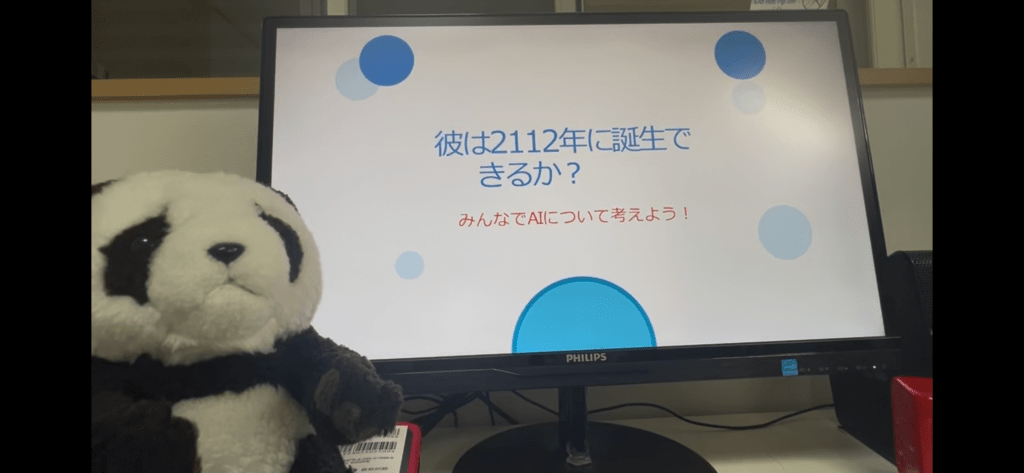
I spent hours preparing. I set up my laptop with a PowerPoint presentation titled: “Can Doraemon be Born in 2112? The Reality of General Artificial Intelligence.” I propped my smartphone on a makeshift tripod and positioned Kopan in the frame.
I provided the voice—a deep, middle-aged Japanese man’s voice—while Kopan served as the visual lecturer. It was a surreal 1-man play. We discussed the evolution of Large Language Models (LLMs) and the technical barriers to achieving sentient AI, all while a palm-sized panda stared into the lens. I submitted the video with a brief explanation of my circumstances, hoping for the best.
Confusion on a Global Scale: The Peer Review Process
The grading system on Coursera relies on peer feedback. Students from Spain, India, the US, and beyond had to watch my video and score it based on a rubric.
For three weeks, my grade remained at zero. I watched as other students received feedback within days. I could only imagine the reaction of a student in Madrid or Delhi opening my file: expecting a professional lecture from a U-Tokyo student, they were instead met with a fuzzy panda speaking Japanese with a man’s voice. The “What is this?” factor must have been off the charts. I feared I had offended the academic standards of Japan’s top university.
A Small Victory and a New Beginning
Finally, on the brink of the deadline, I received my results. I passed. Whether it was a sympathetic peer or a Teaching Assistant at the University of Tokyo who finally stepped in, the result was the same: Kopan-kun had successfully delivered a lecture and “graduated” from a U-Tokyo program.
For my wife and me, this wasn’t just about a certificate. It was a sign of life. It was proof that even in the midst of a mental health struggle, creativity and humor could bridge the gap between isolation and the world.
Tomorrow, I will share the final part of my 2025 reflection, focusing on the internal struggles of my recovery. But for today, let’s celebrate the panda who became a professor. Thank you for reading, and I look forward to your comments.
【日本語要約】 適応障害による休職中、筆者は自己研鑽のためにCourseraで東京大学の「インタラクティブ・ティーチング」を受講しました。最終課題は6分間の模擬授業動画の提出でしたが、自宅に設備がなく、本人もカメラに映るメンタル状況ではなかったため、愛用しているパンダのぬいぐるみ「こぱん」を講師に立てて撮影を敢行。「ドラえもんは2112年に誕生できるか」というテーマでAIの未来を語るシュールな動画は、世界中の受講生を困惑させましたが、最終的に合格。ぬいぐるみを通じたこの「世界デビュー」は、病気と闘う夫婦にとって大きな希望と笑顔をもたらす出来事となりました。
【简体中文摘要】 在因适应障碍休职期间,作者通过Coursera平台参加了东京大学开设的“互动教学”课程。结业任务要求提交一段6分钟的模拟授课视频。由于家中缺乏教育设施,且作者本人的心理状态不便出镜,他突发奇想,让家中的熊猫玩偶“小胖”(Kopan)担任讲师。视频主题为“哆啦A梦能在2112年诞生吗?——通用人工智能的可能性”。这段由熊猫出镜、大叔配音的日语视频让全球参与互评的学生们大感困惑,成绩一度停滞。但在三周后,作者最终获得了合格分数。这次熊猫的“全球出道”不仅完成了东大的课题,也为作者的康复之路增添了温暖与力量。
【한국어 요약】 적응 장애로 휴직 중이던 필자는 자기 계발을 위해 코세라(Coursera)를 통해 도쿄 대학의 ‘인터랙티브 티칭’ 강좌를 수강했습니다. 최종 과제는 6분간의 모의 수업 영상을 제출하는 것이었으나, 자택 내 설비 부족과 카메라 앞에 서기 힘든 심리적 상태로 인해 반려 인형인 팬다 ‘코판’을 강사로 내세워 촬영을 진행했습니다. ‘도라에몽은 2112년에 탄생할 수 있을까’라는 주제로 AI의 미래를 설명하는 이 영상은 전 세계 수강생들에게 당혹감을 안겨주었으나, 결국 합격점을 받았습니다. 인형을 통한 이 ‘세계 데뷔’는 투병 중인 부부에게 큰 웃음과 새로운 용기를 북돋워 준 소중한 경험이 되었습니다.
【Résumé en français】 En congé maladie pour trouble de l’adaptation, l’auteur a suivi le cours « Enseignement Interactif » de l’Université de Tokyo sur Coursera. Pour l’examen final consistant en une leçon de 6 minutes, ne pouvant apparaître à l’écran, il a utilisé sa peluche panda, Kopan, comme professeur. Intitulée « Doraemon peut-il naître en 2112 ? », cette leçon sur l’IA a dérouté les étudiants du monde entier lors de l’évaluation par les pairs. Malgré la confusion initiale, la vidéo a été validée, marquant les débuts « mondiaux » de Kopan. Ce moment d’humour et de créativité a été une étape clé dans la guérison de l’auteur, prouvant que même dans l’adversité, l’imagination permet de rester connecté au monde.
【Deutsche Zusammenfassung】 Während einer krankheitsbedingten Auszeit aufgrund einer Anpassungsstörung belegte der Autor den Kurs „Interactive Teaching“ der Universität Tokio auf Coursera. Die Abschlussaufgabe forderte ein 6-minütiges Lehrvideo. Da der Autor sich mental nicht in der Lage fühlte, selbst vor die Kamera zu treten, übernahm sein Panda-Stofftier „Kopan“ die Rolle des Dozenten. Unter dem Titel „Kann Doraemon 2112 geboren werden?“ hielt der Panda einen Vortrag über KI. Das Video sorgte bei der internationalen Peer-Bewertung zunächst für Verwirrung, wurde aber schließlich erfolgreich bewertet. Dieser ungewöhnliche „Weltauftritt“ des Pandas wurde zu einem Symbol der Hoffnung und des kreativen Triumphs für den Autor und seine Frau während einer schweren Zeit.
【Versión en español】 Durante una baja por trastorno de adaptación, el autor cursó “Enseñanza Interactiva” de la Universidad de Tokio en Coursera. El proyecto final requería un video de 6 minutos, pero ante la imposibilidad de aparecer en cámara, decidió que su peluche de panda, Kopan, fuera el profesor. La lección, sobre si Doraemon podría existir en 2112 gracias a la IA, desconcertó a los evaluadores internacionales. Tras semanas de incertidumbre, el video fue aprobado. Este “debut mundial” de Kopan no solo cumplió con el requisito académico, sino que brindó una necesaria dosis de alegría y superación personal para el autor y su esposa en su proceso de recuperación.
【Suomenkielinen yhteenveto】 Sopeutumishäiriön vuoksi sairauslomalla ollut kirjoittaja osallistui Tokion yliopiston “Interaktiivinen opetus” -kurssille Courserassa. Lopputyönä oli 6 minuutin opetusvideo, mutta koska kirjoittaja ei kyennyt itse esiintymään, hän käytti opettajana pehmo-pandaansa Kopania. Video käsitteli tekoälyn tulevaisuutta otsikolla “Voiko Doraemon syntyä vuonna 2112?”. Vaikka pandaopettaja hämmensi kansainvälisiä arvioijia, video meni lopulta läpi. Tämä pandan “maailmanlaajuinen debyytti” oli kirjoittajalle ja hänen vaimolleen tärkeä valonpilkku toipumisprosessin keskellä, osoittaen luovuuden voiman vaikeina aikoina.
【हिंदी सारांश】 एक समायोजन विकार (Adjustment Disorder) के कारण छुट्टी के दौरान, लेखक ने कौरसेरा (Coursera) पर टोक्यो विश्वविद्यालय के “इंटरएक्टिव टीचिंग” कोर्स में दाखिला लिया। अंतिम असाइनमेंट के लिए 6 मिनट का शिक्षण वीडियो बनाना था। मानसिक स्थिति और संसाधनों की कमी के कारण, लेखक ने अपने पांडा स्टफ्ड टॉय ‘कोपन’ को शिक्षक के रूप में पेश किया। “क्या डोरेमोन 2112 में पैदा हो सकता है?” विषय पर पांडा द्वारा दिए गए इस एआई व्याख्यान ने दुनिया भर के छात्रों को हैरान कर दिया। अंततः, इस वीडियो को पासिंग मार्क्स मिले। कोपन का यह ‘ग्लोबल डेब्यू’ लेखक और उनकी पत्नी के लिए कठिन समय में मुस्कुराहट और प्रेरणा का स्रोत बना।
 TobiraAI_ A specialist in Education, AI, and History